
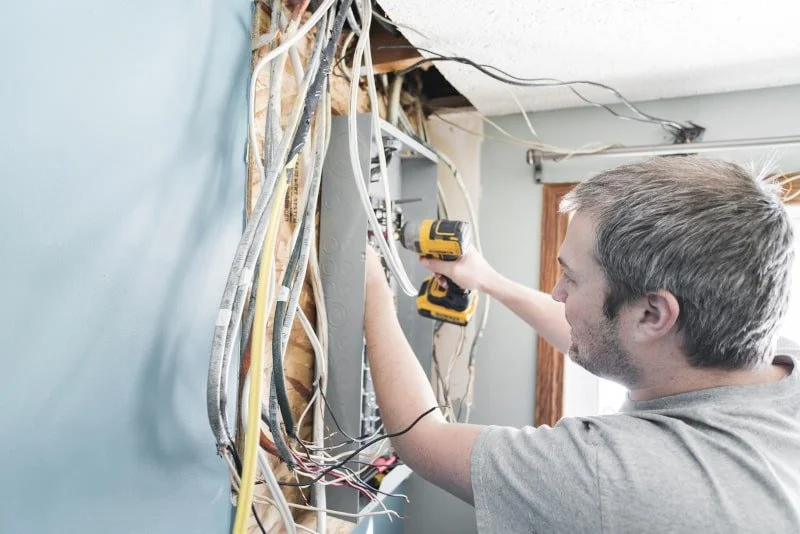
Rewiring an Older Property: How Do You Know When It's Time?
Buying or renovating an older property can be exciting, but beneath the character and charm may be an electrical system that no longer meets modern safety standards. Whether your home is 30 years old or over a century old, understanding when a rewire is needed can help protect your family, improve reliability and prepare your home for modern living.
At G&E Construction, we manage complete renovation projects, including electrical rewires carried out by qualified electricians, ensuring every installation is completed safely and in accordance with current regulations.
Why Older Properties Often Need Rewiring
Electrical installations have changed significantly over the last few decades.
Many older homes were never designed to cope with today's electrical demands, including:
Electric vehicle chargers
Induction hobs
Home offices
Multiple televisions
Smart home technology
Heat pumps
Modern kitchen appliances
As homes become more reliant on electricity, older wiring can become overloaded, increasing the risk of faults and electrical fires.
How Old Is Your Electrical Installation?
While there is no fixed age at which a property must be rewired, the age of the installation can be a useful guide.
Age of InstallationRecommendationUnder 20 yearsUsually suitable if well maintained20–30 yearsConsider an Electrical Installation Condition Report (EICR)Over 30 yearsProfessional inspection strongly recommendedOver 40 yearsA full or partial rewire may be required depending on condition
Every property is different, so a professional inspection is always the best way to assess the condition of your electrical installation.
Signs Your Home May Need Rewiring
You should consider arranging an inspection if you notice:
Frequent tripping of circuit breakers
Flickering lights
Burning smells
Warm sockets or switches
Damaged accessories
Buzzing noises
Limited number of sockets
Extension leads used throughout the home
An old-style fuse box
Fabric, rubber or lead-covered wiring
These signs don't always mean a complete rewire is necessary, but they should never be ignored.
Is a Consumer Unit Upgrade Enough?
Sometimes homeowners assume replacing the fuse board solves every electrical issue.
In reality, the consumer unit is only one part of the installation.
If the wiring itself has deteriorated or no longer complies with current standards, replacing the consumer unit alone may not be enough.
A qualified electrician can advise whether:
A consumer unit replacement is sufficient
Partial rewiring is appropriate
A full rewire is recommended
What Happens During a Full Rewire?
A full rewire normally involves replacing:
Electrical cables
Socket outlets
Light switches
Light fittings
Consumer unit
Earthing and bonding where required
Depending on the project, new circuits may also be installed for:
Kitchens
Bathrooms
Electric showers
Outdoor power
Garden lighting
Home offices
Electric vehicle chargers
Although rewiring creates disruption, completing it during a renovation is usually the most cost-effective option.
Can You Live in the Property During a Rewire?
It depends on the size of the property and the extent of the work.
For smaller rewires, it may be possible to complete the work in stages.
For larger projects, particularly full renovations, many homeowners choose to move out temporarily while the work is carried out.
Planning ahead can help minimise disruption.
Rewiring During Renovations
If you're already planning:
A house extension
Kitchen renovation
Loft conversion
Garage conversion
Full refurbishment
It's often the ideal time to upgrade the electrical installation.
Walls and ceilings are already being opened, making access much easier and reducing overall costs compared with carrying out a rewire later.
Why Choose G&E Construction?
At G&E Construction, we coordinate complete renovation projects using trusted, qualified electricians as part of our experienced subcontractor team.
By managing every aspect of the project—including building work, electrical installations, plumbing and finishing trades—we provide homeowners with one reliable point of contact from start to finish.
Whether your property requires a simple electrical upgrade or a complete rewire as part of a larger renovation, we'll help ensure the work is carried out safely, efficiently and to a high standard.
Thinking About Renovating an Older Property?
If you're unsure about the condition of your home's electrical installation, or you're planning a renovation and want expert advice, we'd be happy to help.
Contact G&E Construction today to discuss your project and arrange a consultation.
Frequently Asked Questions
How much does it cost to rewire a house?
The cost depends on the size of the property, the condition of the existing installation and the level of finish required. A professional survey is the best way to obtain an accurate quotation.
How long does a rewire take?
A typical three-bedroom property may take around 5–10 working days, although larger or more complex homes can take longer.
Will my walls need repairing afterwards?
Yes. Some chasing into walls and lifting of floorboards is usually required. Any making good or redecoration should be planned as part of the overall project.
Is rewiring messy?
There is some unavoidable disruption, but careful planning and good project management can significantly reduce inconvenience.
House Extensions: Everything You Need to Know Before You Build
Adding an extension to your home is one of the best ways to create extra living space and increase the value of your property. Whether you're planning a larger kitchen, an open-plan family room, a home office or an additional bedroom, a well-designed extension can completely transform the way you live.
At G&E Construction, we understand that extending your home is a significant investment. That's why careful planning, quality workmanship and experienced project management are essential from the very beginning.
Why Choose a House Extension?
Many homeowners outgrow their property long before they want to move. Rising house prices, stamp duty and moving costs often make extending your existing home a far more attractive option.
A professionally built extension can provide:
More living space
Increased property value
A modern open-plan layout
Better natural light
Improved energy efficiency
Space for a growing family
A dedicated home office
A larger kitchen or dining area
Rather than moving house, many families find that extending their current home allows them to stay in the area they love while creating a property perfectly suited to their lifestyle.
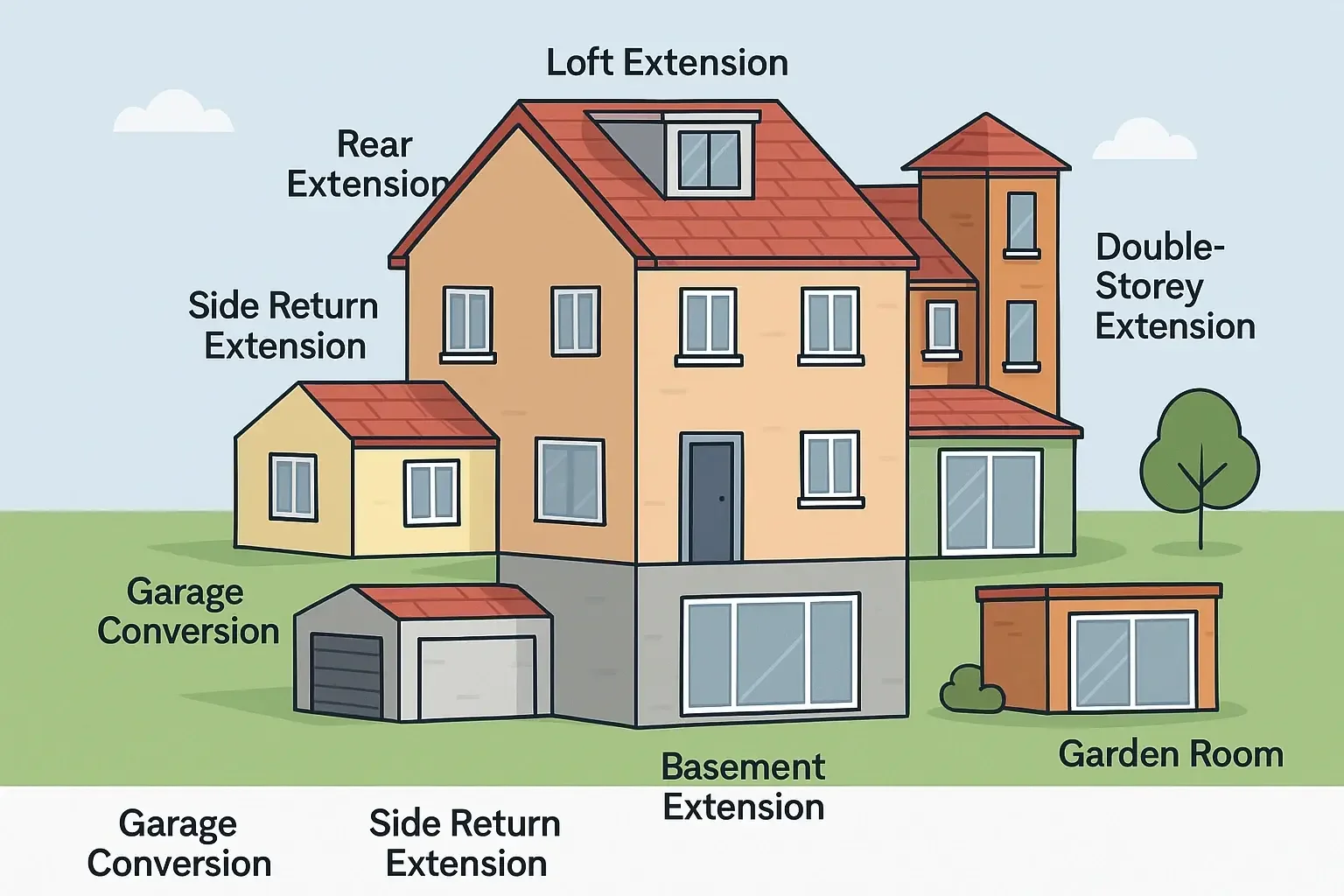
Types of House Extensions
Every property is different, and choosing the right type of extension depends on your home, budget and future plans.
Single Storey Extensions
One of the most popular options for homeowners looking to enlarge their kitchen or create an open-plan living area.
Ideal for:
Kitchen extensions
Family rooms
Dining rooms
Utility rooms
Double Storey Extensions
A cost-effective way of adding significant space to both floors of your property.
Perfect for:
Additional bedrooms
Larger bathrooms
Home offices
Extended living areas
Side Return Extensions
Often found on Victorian and Edwardian properties, these extensions make use of narrow unused space alongside the house.
A fantastic option for creating spacious open-plan kitchens.
Rear Extensions
A rear extension opens up the back of your property and creates seamless access to the garden.
Many homeowners combine this with bi-fold or sliding doors to maximise natural light.
Wrap Around Extensions
Combining both side and rear extensions creates one of the most dramatic transformations available.
Although more substantial, wrap-around extensions provide incredible flexibility in layout and design.
Do You Need Planning Permission?
Not every extension requires full planning permission.
Many smaller extensions fall under Permitted Development Rights, although there are size limits and conditions that must be met.
Planning requirements can also vary depending on:
Conservation areas
Listed buildings
Previous extensions
Property location
Overall extension size
Even where planning permission isn't required, Building Regulations approval is normally still necessary.
Seeking professional advice early in the process can help avoid delays later on.
Building Regulations
Building Regulations ensure your extension is safe, structurally sound and energy efficient.
These regulations cover areas such as:
Foundations
Structural steelwork
Insulation
Fire safety
Ventilation
Drainage
Electrical installations
Heating systems
Throughout the build, Building Control inspectors will usually carry out inspections at key stages before issuing final approval.
Choosing the Right Builder
Selecting the right construction company is one of the most important decisions you'll make.
Look for a contractor who offers:
Clear quotations
Transparent communication
Proper insurance
High-quality workmanship
Experienced project management
Trusted subcontractors where required
Strong customer reviews
A good builder won't simply construct your extension—they'll help guide you through every stage of the project.
What Happens During an Extension Project?
Although every project is unique, most follow a similar process:
Initial consultation
Site survey
Design and planning
Structural calculations (where required)
Groundworks and foundations
Brickwork and structural construction
Roof installation
First fix services
Windows and doors
Plastering
Second fix
Decorating
Final inspection and completion
Careful planning at each stage helps keep projects running smoothly and minimises disruption to your home.
How Long Does a House Extension Take?
Timescales vary depending on the size and complexity of the project.
As a general guide:
Extension TypeTypical Build TimeSmall Single Storey8–12 weeksLarge Single Storey12–16 weeksDouble Storey16–24 weeksWrap Around20–28 weeks
These estimates can vary depending on weather conditions, planning requirements, material availability and the complexity of the design.
Why Choose G&E Construction?
At G&E Construction, we deliver high-quality building projects using trusted trades and experienced project management.
From the first consultation through to completion, we coordinate every aspect of your extension—including building work, electrical installations, plumbing, roofing and finishing trades—providing homeowners with one reliable point of contact throughout the project.
Our aim is simple: to build beautiful, practical spaces that families can enjoy for many years to come.
Thinking About Extending Your Home?
Whether you're planning a kitchen extension, extra bedroom or a complete transformation of your property, we'd be happy to discuss your ideas.
Contact G&E Construction today to arrange a consultation and take the first step towards creating your ideal home.

Why You Should Always Use a Qualified Electrician
Electrical work is one area of home improvement where cutting corners can have serious consequences. Whether you're installing new lighting, upgrading your consumer unit, or adding power to an extension, using a qualified electrician isn't just a recommendation—it's essential for safety, compliance and long-term peace of mind.
Electrical Safety Comes First
Faulty electrical installations are one of the leading causes of house fires in the UK. Poor workmanship, overloaded circuits and incorrectly installed wiring can all create hidden hazards that may not become apparent until months or even years later.
A qualified electrician has the knowledge and experience to ensure every installation is carried out safely and in accordance with the latest British Standards.
Building Regulations Matter
Many types of domestic electrical work are covered by Building Regulations.
This includes work such as:
Consumer unit replacements
New circuits
Rewires
Electrical work in kitchens and bathrooms
Outdoor electrical installations
Using a qualified electrician helps ensure the work complies with current regulations and, where required, is properly certified.
Protecting Your Home Insurance
Many homeowners don't realise that insurance providers may question claims if electrical work has been carried out incorrectly or without the appropriate certification.
Using a competent electrician provides reassurance that the work has been completed to recognised industry standards and that the correct documentation is available if it's ever needed.
Modern Homes Need Modern Electrical Systems
Today's homes use far more electricity than they did twenty years ago.
Electric vehicle chargers, induction hobs, home offices, heat pumps and high-powered kitchen appliances all place additional demand on your electrical installation.
A qualified electrician can assess whether your existing system is suitable or recommend upgrades to keep your home safe and future-ready.
Common Signs You Should Call an Electrician
If you've noticed any of the following, it's worth arranging an inspection:
Circuit breakers tripping regularly
Flickering lights
Burning smells near sockets or switches
Warm plug sockets
Cracked accessories
Buzzing noises
An ageing fuse box
A property that hasn't had its electrics checked for many years
Ignoring these warning signs can lead to more expensive repairs—or worse.
Electrical Work During Home Renovations
If you're planning:
A house extension
Kitchen renovation
Loft conversion
Garage conversion
Garden office
Outdoor lighting
It's far more cost-effective to plan your electrical installation at the beginning of the project rather than making alterations later.
Good planning also allows for future additions such as electric vehicle charging points, smart home technology and additional power requirements.
Why Homeowners Choose G&E Construction
At G&E Construction, we work with qualified electrical professionals as part of our complete building service.
Whether we're managing a full renovation or carrying out smaller improvement works, we ensure electrical installations are completed safely, professionally and in line with current regulations.
By coordinating every trade under one project, we help make your renovation as straightforward and stress-free as possible.
Need Professional Advice?
If you're planning electrical work as part of your next home improvement project, we'd be happy to discuss your ideas and provide honest, practical advice.
Contact G&E Construction today to arrange a consultation and discover how we can help bring your project to life.